How Admiral Tang Hua’s Doctrine Can Secure Somaliland’s Red Sea Frontier.
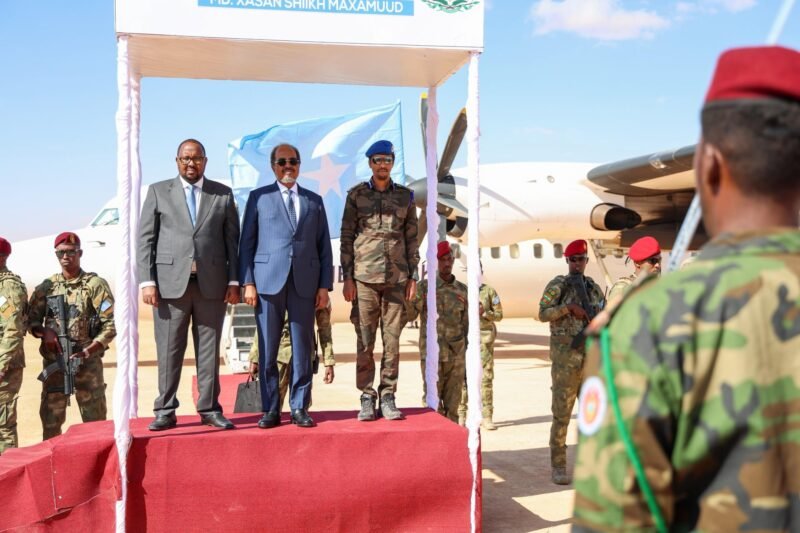
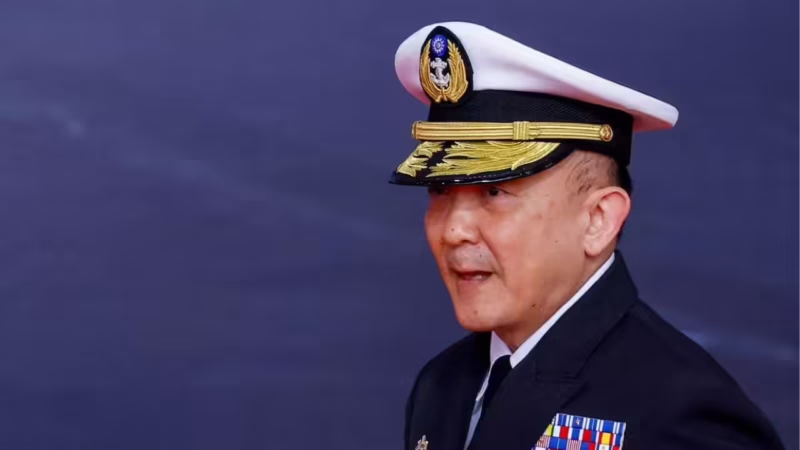
The recent historic Coast Guard Cooperation Agreement between the Republic of Somaliland and Taiwan is more than a diplomatic footnote; it is a profound study in strategic resilience. At its heart, this pact offers Somaliland direct access to the hard-won naval expertise forged in the high-stakes environment of the Taiwan Strait, particularly the strategic concepts championed by Admiral Tang Hua, Taiwan’s Commander of the Navy.
Admiral Tang’s core doctrine, born of facing down a vastly larger military power, offers a crucial blueprint for how a pragmatic, democratically-aligned nation like Somaliland can assert control over its 850-kilometer coastline along the vital Bab el-Mandeb chokepoint. The goal is not naval supremacy, but maritime security control—a classic application of asymmetric defense.
The Doctrine of Asymmetric Resilience
Admiral Tang Hua famously described the People’s Liberation Army’s continuous pressure on Taiwan as an “anaconda strategy”—a slow, inexorable squeeze designed to exhaust forces and provoke errors. His response is not to build massive fleets, but to double down on asymmetric capabilities and careful rules of engagement.
For Somaliland, this strategy translates perfectly to the Red Sea. The challenge is not a single, massive invasion, but a constant, attritional “anaconda squeeze” from:
- Illegal Fishing and Resource Exploitation: The relentless, unpoliced extraction of marine resources by foreign vessels.
- Piracy and Smuggling: The low-level, high-impact criminality that destabilizes regional trade.
- Geopolitical Encroachment: The creeping influence of hostile or indifferent regional powers.
Somaliland’s defense, therefore, must be asymmetric—focused on agility, intelligence, and concentrated effectiveness rather than sheer scale. This means investing heavily in rapid-response coastal patrols, advanced sensor technology, and highly professionalized human capital.
Translating Training into Control
The Coast Guard Cooperation Agreement directly addresses this need. Under the pact, Somaliland’s Coast Guard gains access to advanced training programs, modern maritime equipment, and technological support from Taiwan. This is where Admiral Tang’s emphasis on professional readiness and avoiding escalation becomes critical.
1. Professionalization as Deterrence: Taiwan’s navy operates with exceptionally strict rules of engagement to avoid accidental provocation. This discipline, transferred through training, will professionalize Somaliland’s Coast Guard, turning it into a highly capable, predictable, and non-escalatory force. A predictable, effective force is the best form of passive deterrence against encroachment.
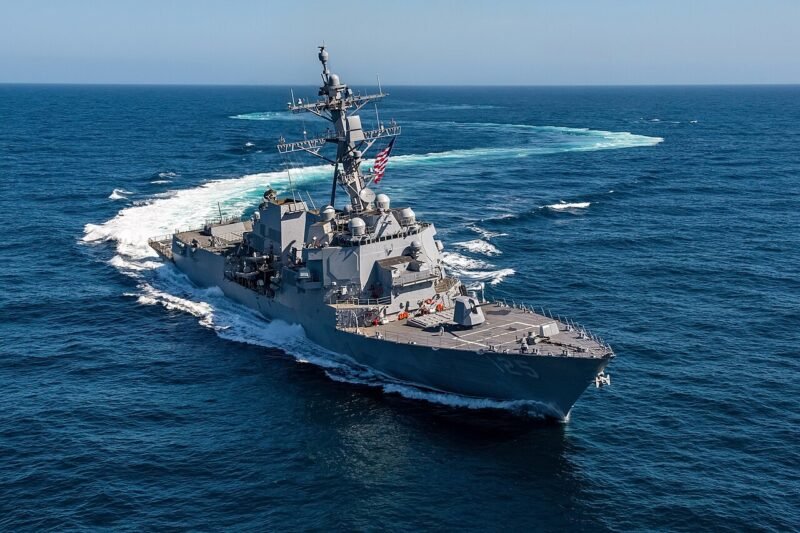
2. Smart Technology for Extended Reach: Admiral Tang’s visits to the U.S. focused on bilateral naval cooperation and integrating modern defense capabilities. For Somaliland, the Taiwanese technological support will enable “smart” patrols—using drones, surveillance radar, and enhanced communications to cover its vast coastline efficiently. This provides control without requiring dozens of expensive warships. It is a cost-effective, high-impact application of asymmetric defense tailored to coastal security.
By strengthening its capacity to conduct effective search and rescue, combat illicit activities, and secure its waters, Somaliland is not just enhancing its defense; it is actively marketing itself as a reliable maritime security anchor in the Horn of Africa—a crucial diplomatic asset.
The Geopolitical Ripple Effect
This strategic maritime move sends a bold message to the world. It showcases Somaliland’s diplomatic maturity and its ability to forge strong, pragmatic alliances with democratic global players despite its unrecognized status.
Admiral Tang’s experience dictates that strong partnerships are the ultimate counterweight to asymmetric pressure. The Somaliland-Taiwan alliance is a tangible example of democratic values carving out strategic influence.
This demonstrated capability and commitment to international security standards will inevitably attract further support from influential global players, including the United States and the United Kingdom, who are eager to promote stability in the Bab el-Mandeb chokepoint.
The strategic takeaway is clear: By adopting the resilience and asymmetric focus developed in the Taiwan Strait, Somaliland is transforming its geographic vulnerability into a strategic advantage. The Coast Guard agreement is the first step in a long-term strategy to ensure that Somaliland does not merely exist on the Red Sea, but controls its vital segment of the world’s trade arteries.