Why Recognition of Somaliland is Now a Geopolitical Imperative.
A decisive shift is underway in the strategic calculations concerning the Republic of Somaliland. After three decades of de facto independence, the quiet, democratic nation on the Gulf of Aden is now being viewed through a new lens of geopolitical necessity, driven by twin concerns: Red Sea security and the accelerating global competition with China.
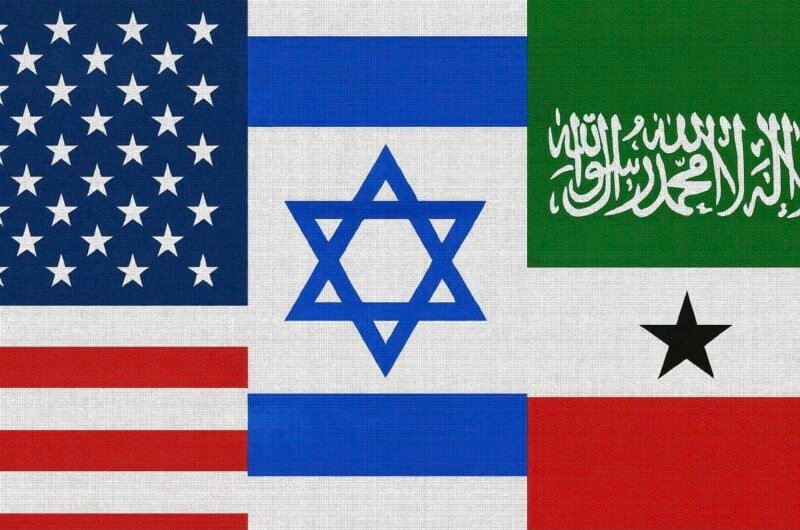
The clearest signal of this strategic pivot comes from Israel. A recent study by the Institute for National Security Studies (INSS) in Tel Aviv reveals that Israeli leadership is seriously considering the option of recognizing Somaliland as an independent state.
This is part of a broader, proactive strategy to enhance Israel’s security and intelligence presence in the critical Horn of Africa and Red Sea corridors. The calculus is not merely diplomatic; it is essential for maritime defense and regional stability.
This consideration is historically resonant: Israel was, notably, among the 35 nations that recognized the Country of the Republic of Somaliland immediately following its independence from the British Empire in June 1960.
Somaliland’s location grants it control over vital shipping lanes that link the Indian Ocean to the Suez Canal. For all practical purposes, the nation functions. It collects taxes, maintains defined borders, and governs a population of over five million people. As analysts have highlighted, until it gains official recognition, it remains a “ghost nation that rules an ocean unseen by the world,” yet its operational reality and strategic value are undeniable.
The Western Alignment and the China Counterweight
The momentum for recognition is amplified by the nation’s strategic alignment with Western democracies, most notably its strong ties with Taiwan. Somaliland and Taiwan maintain mutual diplomatic recognition and substantial collaboration, including a recently signed agreement on Coast Guard cooperation.
This partnership is particularly significant in Washington, where it aligns seamlessly with the goals of the Taiwan Allies International Protection and Enhancement Initiative (TAIPEI) Act. U.S. recognition of Somaliland would serve as a powerful signal in the global competition with Beijing, linking the defense of democratic institutions in the Pacific to the stability of the Horn of Africa.
Leading U.S. political figures have begun to champion this cause publicly. High-ranking members of the U.S. Senate, like the Chairman of the Foreign Relations Subcommittee on Africa, have underscored the “very real opportunity” for recognition, emphasizing that Somaliland is a reliable ally committed to helping counter efforts by China to undermine American safety and prosperity globally.
As a trusted partner, integrating Somaliland into the security framework is seen as a crucial step in a new era of clarity in American national security strategy.
Mineral Wealth and Regional Instability
Beyond maritime security, Somaliland offers significant material assets for modern industry. The country is rich in various minerals, including deposits of pegmatite lithium, a resource critical for battery manufacturing and future technologies. The development of these resources, backed by strategic partnerships, provides a pathway to secure supply chains away from adversarial control.
Crucially, the instability in neighboring Somalia presents an existential threat to the region. Reports highlight the dire security situation and the increasing risk of the terrorist group al-Shabaab seizing control of large territories.
This outcome would critically undermine stability across the Horn of Africa, compromise global counter-terrorism efforts, and complicate the growing regional roles of powers like Turkey and China.
Analysts have increasingly suggested that the United States, the UAE, and Israel must establish integrated security, intelligence, and diplomatic cooperation with the stable democracies of the region, specifically naming the Republic of Somaliland, the Federal Democratic Republic of Ethiopia, and the Republic of Kenya.
This cooperation is not merely preferable; it is a vital prerequisite for securing a region whose stability is central to global trade and security.
The Horn of Africa is changing rapidly. The convergence of Israeli strategic interests, U.S. desire for an effective counter-China ally, and the urgency of the regional security threat solidify the case for Somaliland’s immediate re-recognition. The nation is a trustworthy, democratic partner whose stability is critical to the world’s most important maritime crossroads.