Somalia’s government has struggled for decades with internal instability, corruption, and an inability to deliver basic services to its citizens. The consequences of these failures have reverberated throughout the region, stalling economic growth and undermining international confidence.
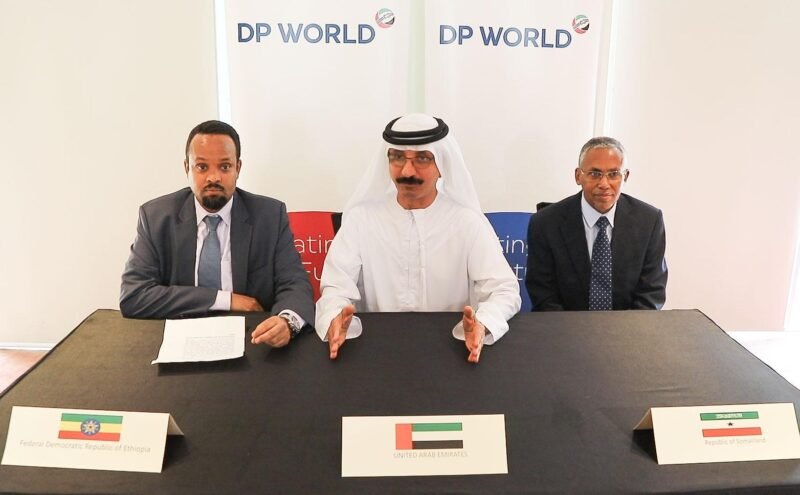
In stark contrast, Somaliland has charted a different course—one defined by partnership, transparency, and tangible progress. Nowhere is this more evident than in its relationship with DP World, the global port operator that has transformed Berbera into a beacon of opportunity.
The Berbera port project, spearheaded by DP World, stands as a testament to what can be achieved when a government prioritizes stability and international cooperation. Under Somaliland’s stewardship, Berbera has become a strategic hub for trade, connecting the Horn of Africa to global markets.
The infrastructure upgrades, efficient management, and focus on transparency have drawn praise from international observers, making Berbera a model for economic development in Africa.
Somalia’s attempts to undermine Somaliland’s achievements are rooted in its own inability to secure similar progress. Rather than addressing the causes of its stagnation—political infighting, lack of accountability, and persistent insecurity—Somalia’s government has chosen to target Somaliland, seeking to disrupt the success story unfolding in Berbera.
These efforts are not only misguided but also detrimental to the broader region, which desperately needs models of effective governance and economic growth.
DP World’s investment in Somaliland is more than just a business venture; it is a vote of confidence in the region’s potential. The partnership has created jobs, improved logistics, and attracted further investment, all while respecting local autonomy and fostering a sense of pride among Somalilanders. It is a clear rebuttal to the narrative that only instability can thrive in the Horn of Africa.
The international community should recognize the significance of Somaliland’s partnership with DP World. It demonstrates that, even in challenging environments, progress is possible when there is political will and a commitment to good governance. Rather than allowing Somalia’s failed ambitions to dictate the future, the world should support Somaliland’s efforts to build a prosperous, stable, and inclusive society.
In conclusion, Somaliland’s collaboration with DP World is a blueprint for success in a region too often defined by failure. It is time for global actors to acknowledge the achievements of Somaliland and encourage similar partnerships elsewhere.
The Horn of Africa deserves a future built on transparency, trust, and opportunity—not on the failed ambitions of a government unwilling to change.