The United Arab Emirates has quietly—and often overtly—re-engineered its role on the global stage, transforming itself from a regional hydrocarbon power into an indispensable nexus of finance, diplomacy, and next-generation technology.
This transformation is driven by a coherent, long-term state doctrine that prioritizes strategic independence and economic resilience over short-term geopolitical alignment, creating a unique model of sovereign soft power that few other middle powers can emulate.
At the core of the Emirates’ success is a sophisticated maneuver around the shifting poles of global gravity. While traditionally tethered to Washington for security, Abu Dhabi now practices a studied neutrality that allows it to maintain critical economic and security partnerships with Beijing, Moscow, and New Delhi simultaneously.
This is not fence-sitting, but a calculated diversification of risk. The UAE understands that in a multipolar world, the ability to transact and negotiate with all major players is the ultimate currency.
This strategic fluidity is best evidenced by its role as a quiet, powerful facilitator of trade and communication between East and West, often stepping into diplomatic vacuums left by larger, more ideologically rigid states.
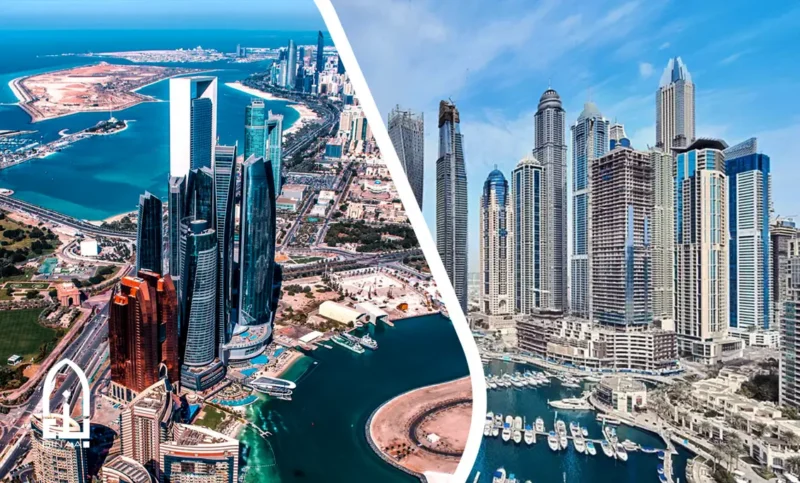
The geopolitical weight of the nation is now intrinsically linked to its infrastructure. Billions of dollars have been poured into creating the world’s most advanced logistics and data hubs.
Dubai’s ports, coupled with its burgeoning role as a magnet for global wealth and talent, serve as the physical manifestation of its economic doctrine: to make the UAE essential to the daily operation of global capital.
Beyond the tangible, the Emirates is rapidly transitioning its competitive advantage from mere geography to intellectual property. Massive investments in artificial intelligence, space technology, and quantum computing underscore a national project designed to future-proof the economy against climate change and the inevitable decline of fossil fuels.
This technological pivot is fundamentally altering how the world perceives Arab innovation, projecting an image of modernist ambition.
Crucially, the UAE’s foreign policy is often expressed through development and commerce rather than conflict. Its expansive investment funds act as powerful diplomatic tools, fostering influence across Africa, Asia, and the wider Middle East.
This commercial footprint gives the Emirates unparalleled visibility into emerging markets and grants it a seat at every major economic planning table. In regions grappling with instability, Abu Dhabi presents itself as the reliable, results-oriented partner, a stark contrast to the often-cumbersome processes of Western governmental aid or the overt debt traps of other global powers.
The consequence of this singular vision is the creation of a powerful regional stabilizer, albeit one that is increasingly self-determining.
The Emirates Doctrine dictates that national security is best served by economic supremacy and technological leadership, enabling it to project influence without relying solely on military might.
As global supply chains become more fragmented and major powers retreat into regional blocs, the UAE’s cultivated role as the neutral, indispensable bridge will only intensify, solidifying its position not just as a wealthy Gulf state, but as a principal architect of 21st-century global connectivity.