Gulf States Deepen Their Reach Into Africa — and Reshape the Regional Balance.
The expanding involvement of Gulf states across Africa marks a new phase in a competition for political influence, economic leverage and security reach at a moment when U.S. attention on the continent is receding.
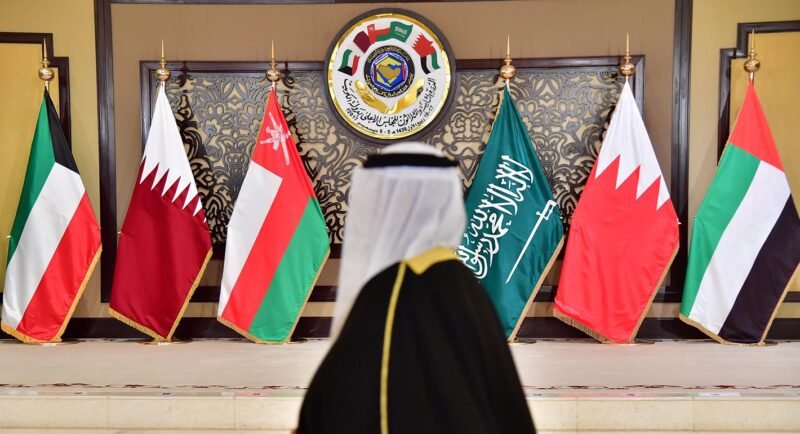
Saudi Arabia, the United Arab Emirates and Qatar are pursuing an assertive push to secure resources, develop new markets, and cement strategic footholds from the Sahel to the Horn of Africa. Their growing presence offers African nations fresh avenues for investment — but also raises concerns about dependency, political interference and new regional frictions.
A New Strategic Arena for Gulf Influence
Africa’s combination of natural resources, emerging markets, and control over major maritime routes has turned the continent into a key geopolitical arena. As global powers face economic or political constraints — China scaling back Belt and Road lending, Russia mired in war, and the United States limiting its footprint — Gulf states have seized an opening to expand their influence.
For the UAE, this expansion has been especially pronounced. Emirati firms have announced more than $110 billion in African investments since 2019, much of it focused on ports, logistics and renewable energy.
DP World’s projects — most notably at Somaliland’s Berbera Port — reflect a strategy to shape global supply chains while securing strategic bases along the Red Sea and Gulf of Aden.
Abu Dhabi has also asserted itself militarily, establishing footholds in Puntland and backing rebel groups in Sudan, drawing both accusations of interference and allegations of aiding militias accused of abuses.
Qatar, by contrast, has favored diplomacy and soft power. It has deepened ties through energy, agriculture and mediation efforts in conflicts from the Democratic Republic of Congo to South Sudan.
Doha’s recent pledge of $103 billion in investments across six African states signals ambitions to position itself as a long-term economic partner — though implementation will depend on governance and stability in fragile states.
Saudi Arabia is pursuing a slower, more institutional approach, driven by food security, diversification and Vision 2030. Riyadh is expanding investments across East Africa and the Sahel, financing agriculture, mining and infrastructure.
Religious and humanitarian initiatives, including the King Salman Center, have helped bolster the kingdom’s influence — though insufficient engagement with local communities has at times fueled resistance to Saudi-backed projects.
Rivalries, Risks and Opportunities
The competition among Gulf states is already visible in hotspots including Sudan, Somalia and the Horn of Africa. Abu Dhabi’s assertive policies — supporting separatist groups or leveraging ports — have alarmed both Riyadh and Doha.
Qatar’s rising activity has stirred unease among Emirati officials who fear a return of Islamist-aligned networks. The result is a multi-layered contest for influence that offers African governments leverage but also risks intensifying local tensions.
For African leaders, Gulf engagement delivers vital capital, new infrastructure and alternative partnerships beyond traditional Western donors. But it also brings risks: political alignment pressures, opaque financial structures, and new dependencies on external powers whose priorities may not match local development needs.
For Israel, the Gulf’s footprint creates both opportunities and challenges. Israel and several Gulf states share concerns about Iran’s influence, especially around the Red Sea and in parts of East Africa. Joint security coordination, intelligence sharing and structured investment partnerships could advance shared regional goals.
But Israel must tread carefully. Gulf investments have sparked controversy — from Sudan’s civil conflict to gold smuggling allegations in the UAE — and partnerships in these arenas risk drawing Israel into politically sensitive environments. Successful cooperation will require measured engagement, clear boundaries and awareness of local dynamics.
Gulf involvement in Africa is set to deepen as the UAE, Saudi Arabia and Qatar seek new sources of economic growth and global legitimacy. Africa’s importance — as a market, a resource hub and a strategic crossroads — ensures it will remain central to their long-term strategies.
The challenge for African states, and for regional actors including Israel, is to harness the benefits without becoming entangled in the geopolitical rivalries now shaping the continent.