After Losing the Airspace War, FGS Launches a Cyber Siege on Somaliland’s Ports.
Somalia’s federal government has introduced a new nationwide electronic cargo-tracking system, prompting debate across the region over its implications for trade, governance, and political authority.
The Electronic Cargo Tracking Note (ECTN), announced by the Ministry of Ports and Marine Transport, will require all vessels and shippers to register inbound cargo through a federal digital portal before goods are cleared at any Somali port.
Officials in Mogadishu argue that the system is essential to improving transparency, strengthening tax administration, and aligning Somali trade management with international standards.
The ministry has warned that cargo arriving without proper ECTN documentation may be subject to penalties, including seizure and possible legal action.
The new directive applies to shipments “irrespective of their respective administrative arrangements,” a clause that immediately drew scrutiny from Somaliland and Puntland, which maintain customs systems.
Neither region reports to the federal port authority, and both have raised concerns that the requirement could impose double taxation, disrupt established trade protocols, and expose commercial data to federal systems they do not operate.
The ECTN rollout comes at a sensitive moment. Earlier this month, Somalia’s federally administered e-visa platform suffered a significant security breach, which U.S. officials said may have exposed personal information from more than 35,000 applicants.
The incident prompted warnings from multiple embassies and renewed questions about the resilience of federal digital infrastructure.
Analysts say the timing of the two developments has heightened unease among international shipping companies and regional governments.
Many worry the centralization of cargo data under a single federal portal could create vulnerabilities for sensitive commercial information—particularly if technical safeguards and cyber-protection measures are not strengthened following the recent incident.
Supporters of the ECTN initiative say it could help reduce revenue loss, curb illicit maritime activity and harmonize fragmented regulatory frameworks along Somalia’s coastline. International donors, including the European Union and several development partners, have encouraged efforts to modernize trade governance.
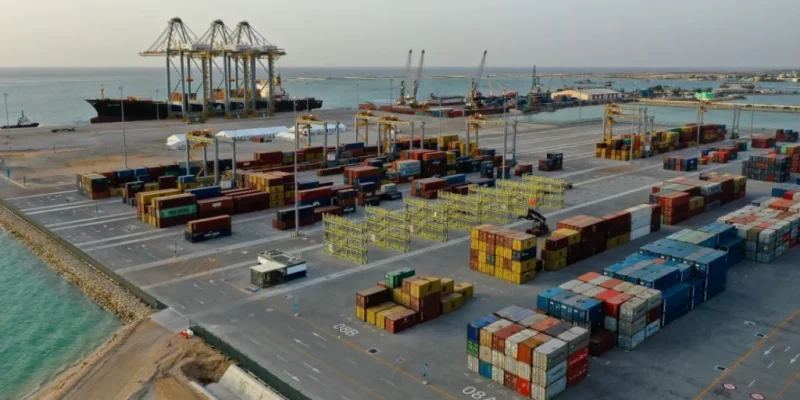
But critics contend the directive may complicate rather than streamline maritime commerce, particularly in regions with established port-management structures, such as Berbera in Somaliland.
Businesses operating through these ports may face additional administrative procedures, higher costs, or conflicting regulatory instructions.
Economic analysts note that while centralized cargo tracking can improve accountability, its success depends on clear lines of authority, credible oversight, and confidence from commercial operators.
Without broad regional coordination, they warn, the ECTN could risk deepening existing political tensions and undermining efforts to build a unified national trade system.
Somaliland officials have not issued a formal response, but policymakers in Hargeisa have historically rejected attempts by the federal government to impose administrative controls over airspace, borders or ports.
Observers say the ECTN rollout is likely to become the next point of friction in the long-running dispute over jurisdiction and sovereignty.
For now, shipping lines await further clarification as federal authorities prepare to implement the system.
The outcome may determine whether the ECTN becomes a stabilizing tool for trade governance—or the latest flashpoint in the region’s ongoing political disputes.